


Who Gets to Instruct the Moors?

Authority Is Earned, Not Assumed
A persistent issue has surfaced in Moorish spaces, especially online: unsolicited instruction. It appears in comments, messages, and stitched videos delivered with confidence but without relationship, context, or standing. The problem is not disagreement. It is the assumption of authority.
This is not a personality clash or generational tension. It is a question of who has the standing to instruct. Authority is not assumed. It is earned through age, experience, service, and accountability. In Moorish culture, instruction traditionally flows from elders, not from strangers or self-appointed guides.
Lineage, Experience, and Discernment
Digital proximity often masquerades as familiarity. Watching someone speak does not establish relationship, and consuming content does not confer insight into character. Yet many speak as though observation alone grants them the right to correct another Moor’s conduct.
When instruction comes from contemporaries or those younger in years, without the tempering force of lived consequence, it often produces friction rather than growth. Elders speak with restraint because they have seen cycles repeat. That restraint is discernment, not silence.
Standards, Self-Knowledge, and Proper Instruction
Being oneself is often mischaracterized as indiscipline. That is false. Moors have standards, conduct, and references, but not a single personality mold. Self-knowledge is a responsibility. It requires understanding one’s temperament, limits, and timing, including when silence is more effective than response.
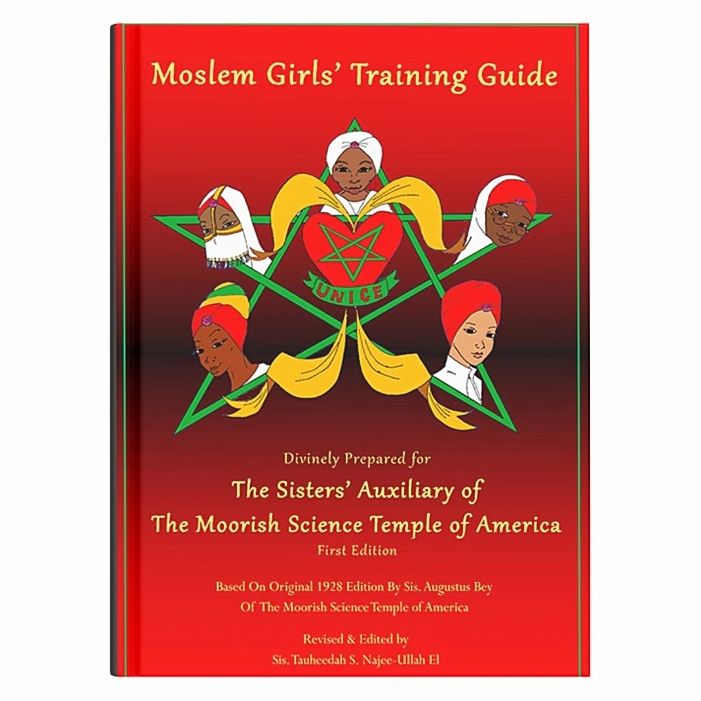 For those seeking grounded reference points, Califa Media publishes works on Moorish etiquette and self-mastery. These include the Sisters Auxiliary Guidebook, which outlines standards of comportment and responsibility rooted in Moorish tradition. These texts guide rather than impose.
Instruction without consent is interference. Guidance without relationship is presumption. This is why elders wait to be asked and why responsible leaders do not recruit followers. Those who are ready seek instruction. Those who are not resist it.
The issue is not whether Moors should be guided, but by whom, under what circumstances, and with what accountability. Instruction carries weight only when it is rooted in experience, offered with humility, and received by choice.